As part of a group assignment in the Web Technology, Security & Honeypot course, I worked together with Lars Vanoverbeke and Sven to design, deploy, and secure a realistic honeypot server. This project offered a highly practical introduction to both offensive and defensive cybersecurity techniques.
Project Overview
Our task involved:
- Setting up a honeypot: a deliberately vulnerable web application built using PHP and MySQL, running in Docker containers on a Debian-based server.
- Implementing a realistic front-end: including registration, login, file upload (avatar), and admin functionality.
- Embedding vulnerabilities: such as SQL injection, XSS, and file disclosure to simulate real-world exploit vectors.
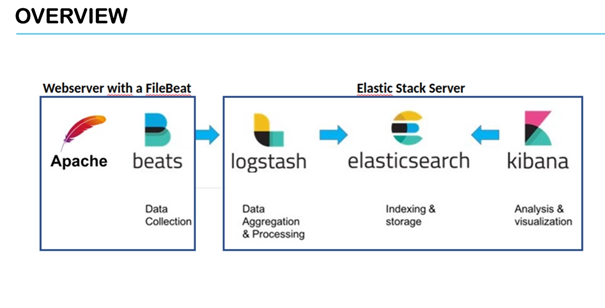
We used an Ansible playbook to automate the deployment of a full Elastic Stack (ELK) environment, including Logstash, to track user interactions. The goal was to capture and visualize potential attacks on our honeypot — functioning like a CTF challenge for other students.
Tools & Technologies
- Docker, Debian, PHP, MySQL
- Kibana, Logstash, ElasticSearch
- Ansible (automated setup)
- BurpSuite (for testing)
Monitoring & Analysis
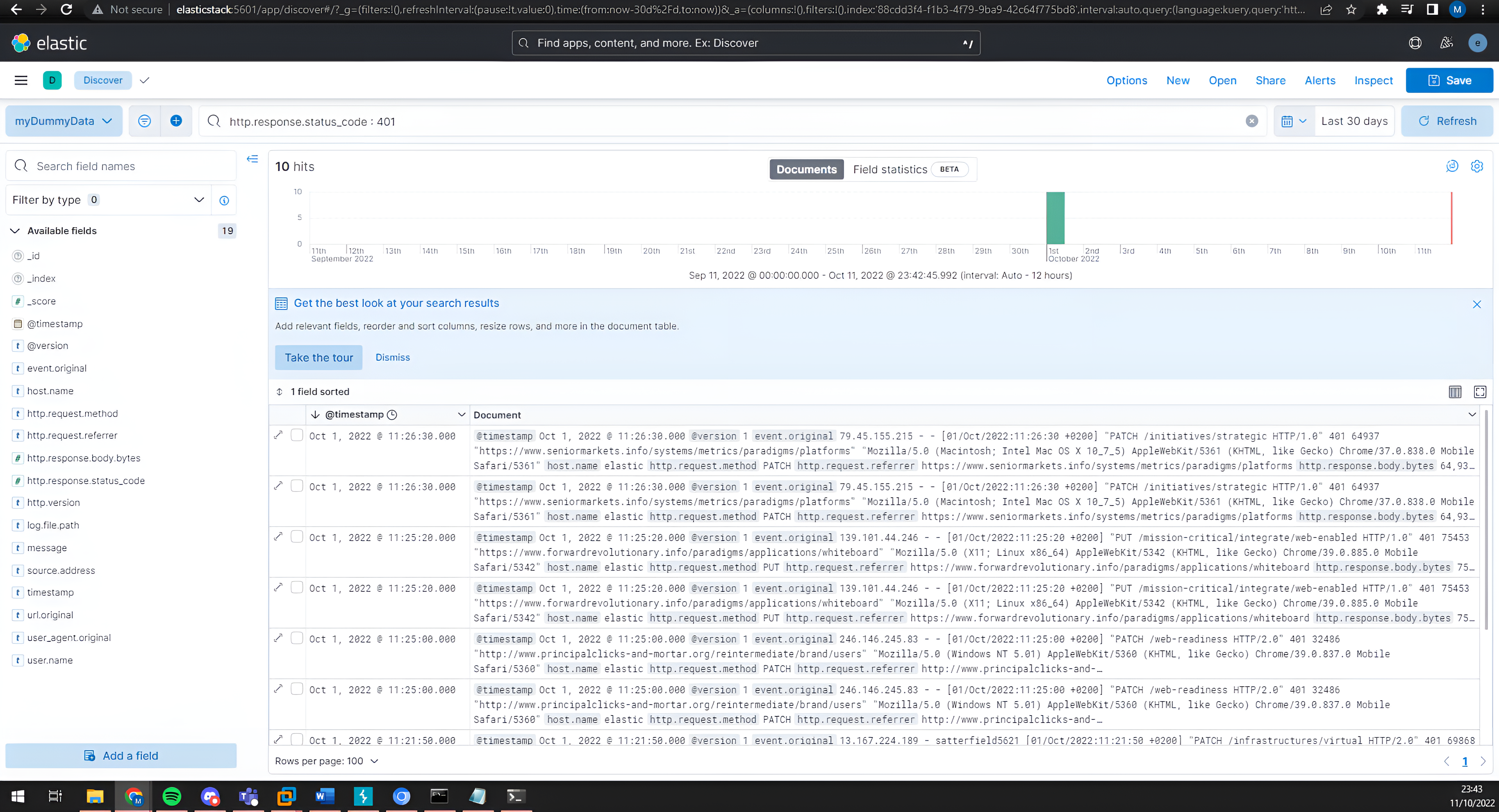
Using the ELK stack, we centralized all logs and visualized attack patterns via custom Kibana dashboards. These included data on login attempts, payloads used, and suspicious behavior. This allowed us to monitor in real time how other students attempted to exploit our setup during the peer pentesting phase.
Practical Timeline and Evaluation
The project followed a structured, hands-on timeline. We deployed and secured our honeypot by 24 November, followed by peer attacks and later broader student testing from 2 December. On 14 December, we gave a live demonstration showcasing our setup, logging, and visualizations. Evaluation focused on technical setup, monitoring, and presentation clarity.
Final Thoughts
This was one of the most technical and rewarding assignments I’ve done so far. It bridged both attack and defense strategies and taught us how to build secure infrastructure while intentionally leaving flaws for analysis. This also resulted in a good score of 16/20!